
|
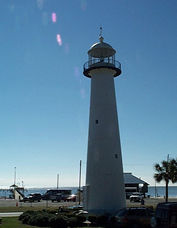
The history
of the old city of Biloxi began with the arrival in 1699 of Pierre
Le Moyne sieur dIberville and party, from Bourbon, France to
settle the area. During the period of 1720-1723, Biloxi was the
first territory capital of the Louisiana Territory. By 1817, after
Mississippi became a state, Biloxi grew to eventually become the
second largest city in the state. The seafood industry played a
large role in the growth of the city, giving it the designation
of the "Seafood Capital of the World." The Gulf waters contain
over 200 species of fish. There is plenty to do on the coast. You
can go deep sea
fishing. You can hone your golfing skills, with twenty courses in
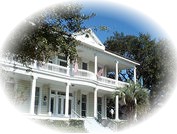
the area, go to the beach, gamble, or tour some of the many ante-bellum
homes and museums as we did.
|

Red Creek Inn,
Long Beach, MS
We visit the first b&b on the Gulf Coast, now available for purchase.


GO USA cards - unlimited FREE admissions to top attractions!
check our exclusive specials
Travel America
Tshirts & More
Arches | Grand Canyon
Glacier-Mtn. Goat
Best Rated Hotels
Advertise with Southpoint
 Along this 28 mile stretch
is the longest manmade sand beach in the world. While we were there, the
beach was being replenished with sand from the Mississippi Sound as part
of a massive beach maintenance program that takes place once every ten
years. That was okay with us, as the water was rather chilly, being here
in the winter for our visit. The wonder of the coast has captured my imagination
since the days when as a kid I vacationed here. The
museums provide glimpses into the land, it's people, and coastal ways.
The bright lights of the casinos have their games of chance. Come see
more of our journey.
Along this 28 mile stretch
is the longest manmade sand beach in the world. While we were there, the
beach was being replenished with sand from the Mississippi Sound as part
of a massive beach maintenance program that takes place once every ten
years. That was okay with us, as the water was rather chilly, being here
in the winter for our visit. The wonder of the coast has captured my imagination
since the days when as a kid I vacationed here. The
museums provide glimpses into the land, it's people, and coastal ways.
The bright lights of the casinos have their games of chance. Come see
more of our journey.